
What Is AI and Automation in Manufacturing?
In manufacturing, AI and automation cover two distinct areas. On the production side, AI applies to predictive maintenance, quality control, and supply chain optimization, using data from machines and production lines to anticipate problems rather than react to them. Off the floor, automation handles the administrative work surrounding production.
That second area is where most manufacturers find the fastest return and where it is most often overlooked. Order processing, inventory and supply chain data moving between systems, quality documentation, compliance records, and reporting are all high-volume, rules-based work currently done by hand.
Predictive maintenance means using equipment data to forecast a failure before it happens, so a part is replaced during planned downtime rather than halting a line. It depends on machines producing usable data, which is why an honest starting point is often establishing what your equipment already records.
Manufacturing companies are always looking for ways to save time, cut costs, and improve efficiency. AI (artificial intelligence) is making it easier to achieve these goals. Whether it’s predicting machine maintenance, improving schedules, or keeping the supply chain running smoothly, AI makes it easier to get more done with fewer headaches.
This guide will explain how AI is used in manufacturing, how it’s making processes smarter, and how you can start using AI in your business today.

How AI is Used in Manufacturing Today
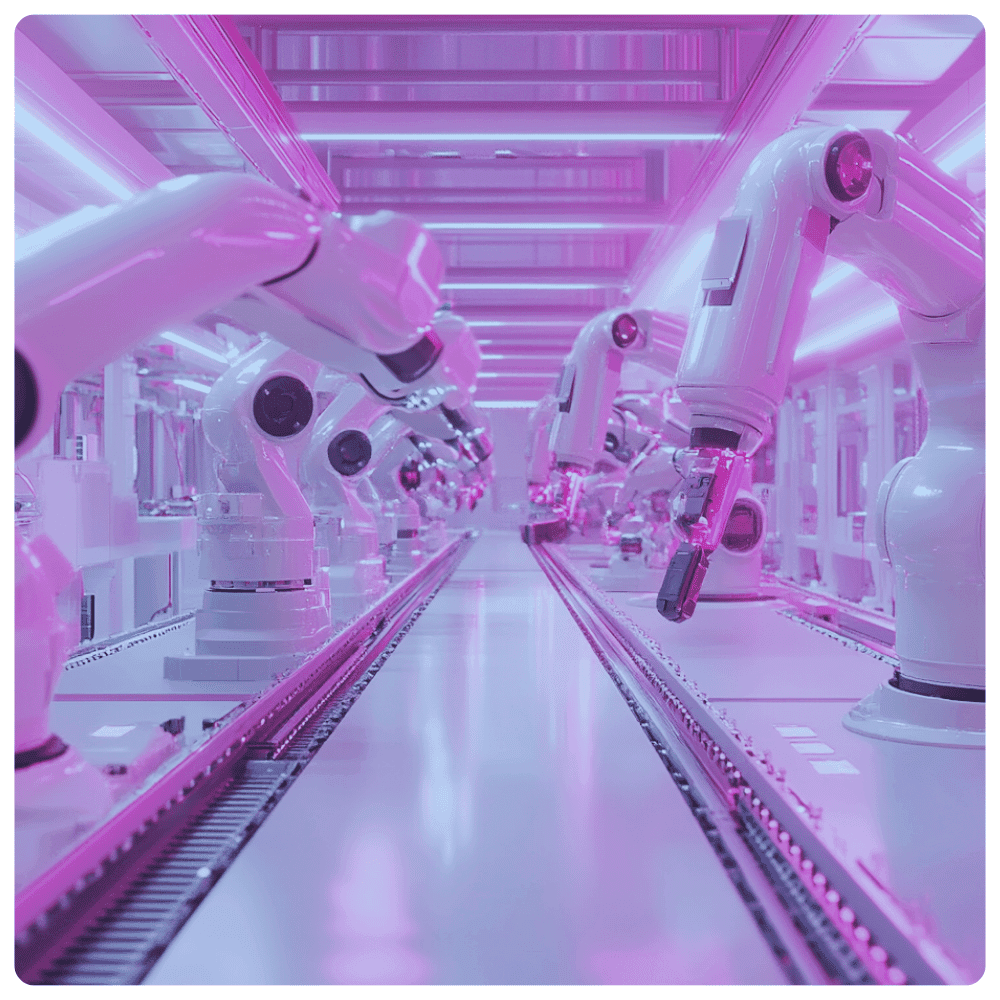
AI is making manufacturing more efficient in many ways. For example, smarter robots handle repetitive tasks like assembly and packaging, freeing workers to focus on more complex jobs. In automotive production, AI-powered systems predict when machinery needs maintenance, preventing costly breakdowns.
Food and beverage factories use AI to check thousands of products per minute for flaws, ensuring consistency and reducing waste. AI also helps electronics manufacturers optimize energy use and keeps supply chains running smoothly by forecasting demand and managing inventory. These examples show how AI is improving factories every day.
PREDICTIVE MAINTENANCE FOR ZERO DOWNTIME
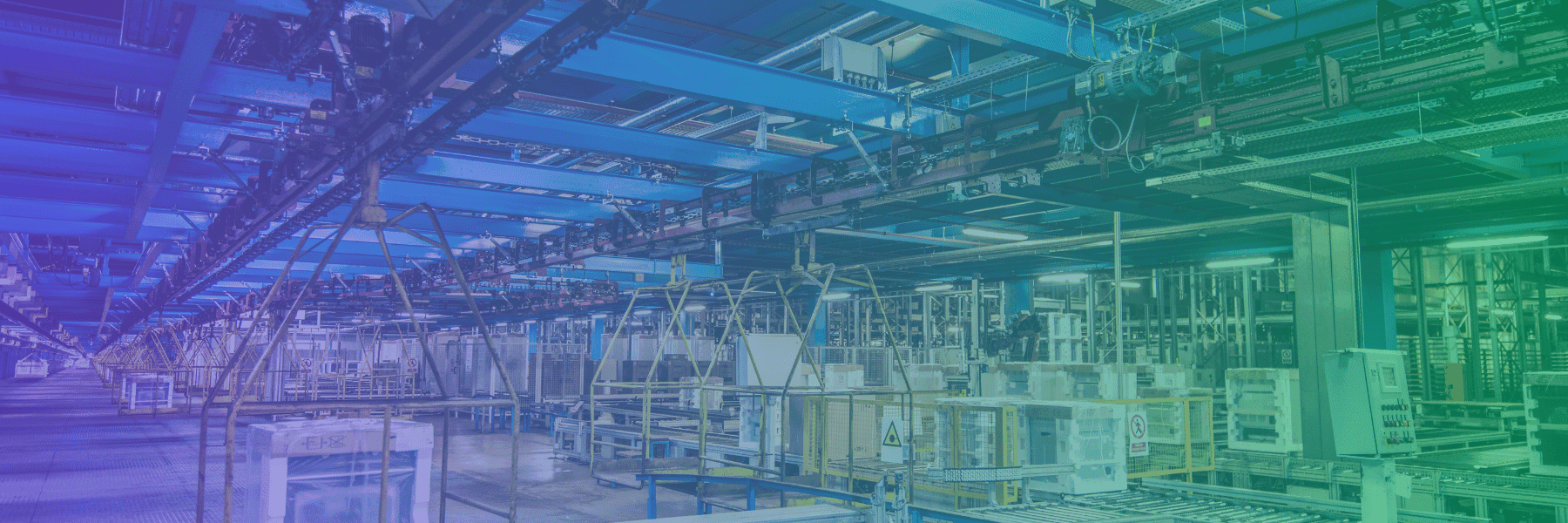
Unplanned equipment failures can halt production and lead to major expenses. With AI-powered predictive maintenance, manufacturers can monitor machinery in real-time, identify early warning signs, and schedule repairs before issues escalate.
RESULTS:
A global manufacturer implemented AI to track equipment health and reduced unplanned downtime by 20%. This proactive approach saved them millions annually and extended the lifespan of their machines.

QUALITY CONTROL FOR FEWER DEFECTS
Maintaining product quality is critical, but manual inspections can miss flaws. AI systems with advanced computer vision analyze products during assembly, spotting defects faster and more accurately than the human eye.
RESULTS:
An electronics producer integrated AI-based quality control and increased defect detection by 90%. This improvement significantly cut waste and ensured higher customer satisfaction.
SUPPLY CHAIN OPTIMIZATION FOR LOWER COSTS
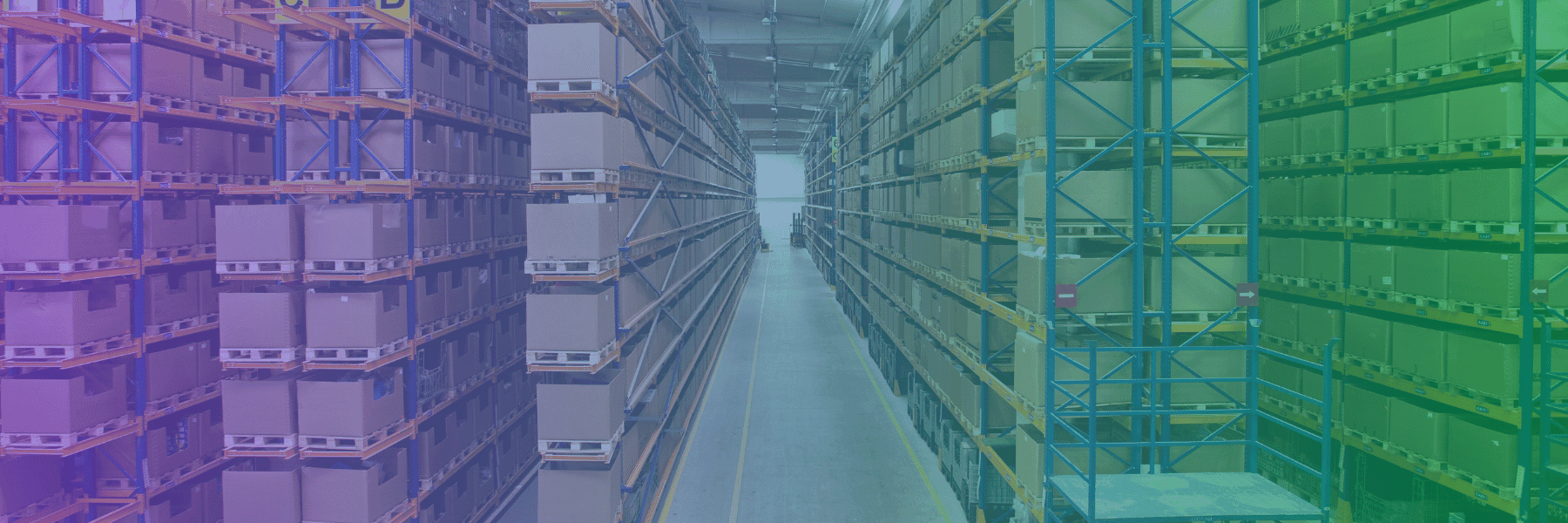
Supply chain inefficiencies can result in delays, excess inventory, and higher costs. AI helps by forecasting demand, optimizing inventory levels, and improving logistics coordination for smoother operations.
RESULTS:
A large consumer goods company reduced logistics costs by 15% and inventory levels by 35% using AI-powered supply chain tools. This allowed them to meet customer demands faster and reduce storage expenses.

ENERGY MANAGEMENT FOR COST SAVINGS
Energy costs are a significant expense in manufacturing. AI can analyze energy usage patterns across facilities and recommend adjustments to minimize waste while maintaining high productivity.
RESULTS:
A heavy equipment manufacturer implemented AI to monitor and optimize energy use, cutting energy costs by 20%. This allowed them to lower their carbon footprint while keeping production at full capacity.
BRINGING AI AND INNOVATIVE AUTOMATIONS TO YOUR TEAM
At Innovative Automations, we make AI easy to implement and use. We start by understanding your goals and challenges and then create a tailored plan to improve quality, reduce downtime, or boost efficiency.
Once the plan is ready, we handle the setup and train your team to use the tools with confidence. Our process delivers fast results with minimal disruption, and our ongoing support ensures long-term success.
Imagine a factory floor where production flows seamlessly, supply chain hiccups are resolved before they arise, and your team focuses on driving innovation. AI makes it possible, and Innovative Automations is here to guide you every step of the way.

Frequently asked questions
Do we need to overhaul the factory to start using AI?+
No. Start with a high-impact area such as equipment downtime, a quality issue, or a supply chain inefficiency, and gather data from the machines and production lines involved. Choose a project that delivers a quick result. Nothing about that requires re-equipping a plant.
What is predictive maintenance and what does it need?+
Predictive maintenance uses data from equipment to forecast failures before they occur, so parts are replaced during planned downtime instead of an unplanned stoppage. It needs machines producing data that can be collected and a maintenance history to learn from. Where equipment records little, establishing that data is the first project rather than a prerequisite that rules it out.
Our machines are old and do not produce much data. Is automation still useful?+
Yes, and usually more immediately. The paperwork around production is where the hours go on older sites: order processing, inventory records, quality documentation, and reporting across systems that do not talk to each other. Robotic process automation handles that without touching the equipment.
How does automation help with compliance documentation?+
Compliance work is repetitive, rules-based, and high volume, which is exactly what automation handles well. Records can be generated and filed consistently from the systems that already hold the data, which removes the transcription errors that cause most documentation findings.
Does this touch our production control systems?+
It does not have to, and most engagements start where it does not. The administrative and data handling work around production sits in ordinary business systems, so it can be automated without any change to operational technology on the floor.
What is a realistic first project for a manufacturer?+
Something with high volume and a clear right answer that delivers a quick result: automating order processing, synchronising inventory data between systems, or generating recurring production reports. Quality control and predictive maintenance follow once there is data and confidence to build on.